
How Do We Encourage Mindful Drinking Without Sounding Like a Headmaster?
That casual Friday drink seems like a harmless perk, right? A simple way to bond with the team. But the real price of office drinking culture goes way beyond the bar tab. What starts as a well intentioned bonding tool can quietly spiral into a ritual that tanks productivity, excludes team members, and racks up some serious hidden costs.
The Real Cost of Office Drinking
It’s a scene most of us know well. The clock ticks over to 5 PM on a Friday, and out comes the drinks trolley. While it’s meant to build camaraderie, this unquestioned ritual often papers over deeper issues that hit a company's finances and its people's wellbeing.
The pressure to join in, whether it’s said out loud or not, can create a social vibe that alienates anyone who chooses not to drink for health, personal, or religious reasons.
But this reliance on booze as the go-to social lubricant doesn’t just mess with team dynamics; it has a real, measurable financial impact. The hidden costs are staggering, touching everything from project deadlines to how engaged people feel at work. When someone is operating at half-speed the day after a work event, the effects ripple through the entire organisation.
Unpacking the Financial Burden
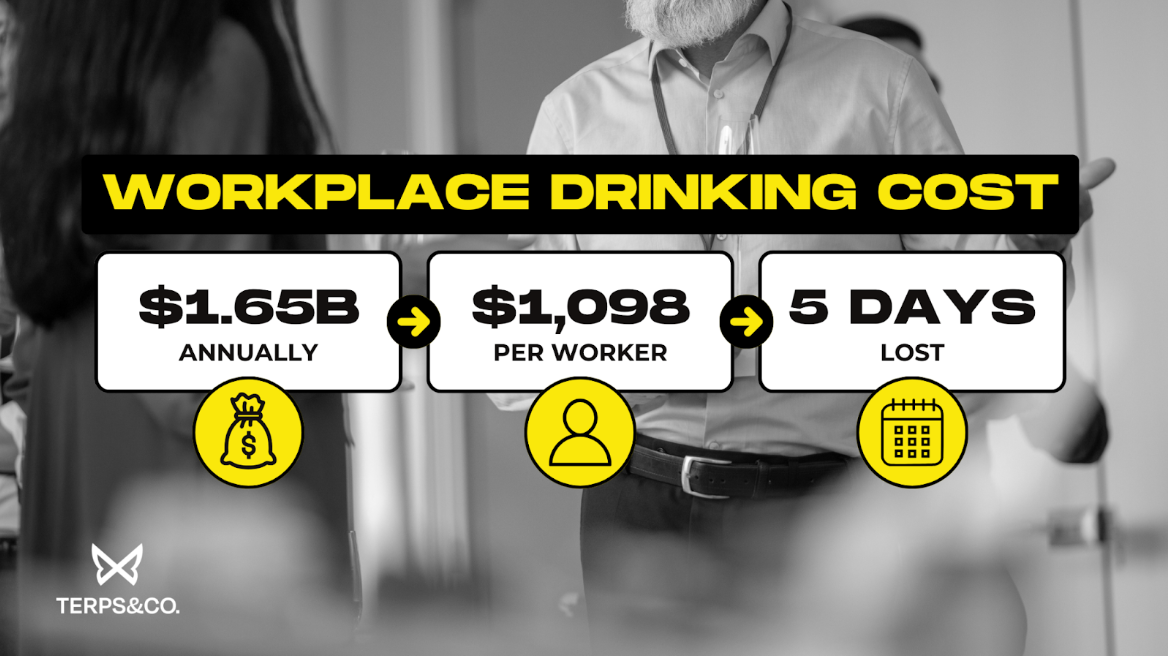
This isn't just about the odd slow morning after the night before. It's about a cumulative loss of focus, creativity, and drive. In New Zealand workplaces, alcohol-related lost productivity costs a jaw-dropping $1.65 billion every single year.
That breaks down to about $1,098 per employee, which is the equivalent of losing nearly five full days of work for every person on your team, every year. The damage comes from both absenteeism (people not showing up) and presenteeism where employees are physically at their desks but are mentally checked out. A comprehensive study from the University of Otago dives deep into these findings.
The infographic below really puts the scale of these costs for New Zealand businesses into perspective.
When you see it laid out like that, it's clear this isn't some minor expense. It's a significant operational drag. Let’s break down those numbers on a per-employee basis to see where the money really goes.
Annual Cost of Workplace Drinking Per Employee
The following table summarises the financial impact of alcohol-related issues on New Zealand businesses, broken down by individual workers.
Impact Area : Annual Cost Per Employee (NZD)
Absenteeism (Days off work) : $355
Presenteeism (Reduced productivity at work) : $743
Total Annual Cost Per Employee : $1,098
These figures, adapted from the University of Otago's research, paint a stark picture. They show that the biggest financial hit comes not from people calling in sick, but from them being unproductive while on the clock. It's a quiet drain on resources that many businesses fail to even notice.
A workplace culture that defaults to alcohol for every celebration or team-building activity is inadvertently prioritising a narrow view of social connection over genuine inclusivity and peak performance. It's a costly habit that modern businesses can no longer afford to ignore.
Moving beyond these old-school traditions isn’t about cancelling social events. It’s a smart, strategic business decision to build a more mindful, modern, and genuinely inclusive culture where every single person on the team can thrive.
Making this shift requires a conscious effort to rethink how we connect and celebrate at work. It’s about paving the way for healthier, more productive, and frankly, more interesting alternatives.
Why Is Drinking at Work So Ingrained?
To figure out why a bottle of wine magically appears at the end of a big project, or why the office fridge is suddenly full of beer on a Friday, we need to look past individual habits. This isn't about one person's choice; it's a reflection of New Zealand's deep-seated cultural relationship with alcohol, a kind of social autopilot that many businesses are still running on.
For generations, booze has been the go-to tool for marking milestones, blowing off steam, and getting people to open up. This tradition is so baked into our social fabric that it often goes completely unquestioned. It’s just "the way things are done."
A Legacy of Social Conditioning
This cultural programming has a long and storied history, with the ghost of traditions like the "six o'clock swill" still lingering in our modern social etiquette. This isn't just about a beverage; it's about alcohol being positioned as a central pillar of Kiwi social life, a custom that has naturally spilled over into our professional spaces.
When companies adopt these norms without a second thought, they reinforce the idea that drinking is the only real way for a team to properly bond and unwind together. It creates a powerful cycle where the behaviour is not just normalised but expected.
This gets amplified in high-pressure industries. In demanding fields like law, finance, and tech, after-work drinks can feel less like a casual choice and more like a mandatory release valve for coping with the relentless stress.
The Problem with “Normal”
When office drinking becomes the default setting, it’s dangerously easy to overlook the downside. The line between a healthy social custom and problematic behaviour gets incredibly blurry, making it tough for anyone, managers or colleagues to spot when someone might be in trouble.
New Zealand's national drinking stats tell a pretty clear story here. A massive chunk of all alcohol sold in the country somewhere between 40-50% is consumed in heavy drinking sessions, and that inevitably spills back into the workplace. With nearly one in five Kiwi drinkers falling into a hazardous consumption pattern, treating alcohol as a normal part of the professional landscape can mask some very real issues. You can explore more about NZ's drinking culture and its impacts.
This systemic normalisation is a huge hurdle for any workplace trying to build a genuinely healthy culture.
“The issue isn’t just about individual choices; it’s about a collective, ingrained culture. Many businesses are running on an outdated social script, one that automatically equates team building and celebration with alcohol, often without considering if it still serves their people or their performance goals.”
Breaking this cycle means making a conscious decision to switch off the autopilot. It means asking whether these inherited traditions actually align with the inclusive, supportive, and high-performing culture that modern companies are trying to build. It’s about time we wrote a new script for how we connect at work.
Your Legal and HR Duties: More Than Just a Buzzkill
Let's be honest, a lively office drinking culture can feel like a brilliant perk. But behind the celebratory clinking of glasses, there’s a whole world of legal and HR risks quietly waiting for an invitation. This isn't about being the fun police; it’s about understanding your responsibilities as an employer in New Zealand to protect your people and your business from some seriously preventable headaches.
The main player here is the Health and Safety at Work Act 2015 (HSWA). And no, it’s not just for construction sites and factories. This law applies to every workplace, including your office and any company-sponsored shindig. It puts the onus on you, the employer, to take all "reasonably practicable" steps to keep your staff safe and well.
This is what’s known as a 'duty of care', and you can think of it as a legal safety net you're required to provide. That duty doesn't magically disappear when everyone clocks off at 5 PM. It stretches to after-hours functions, client events, and yes, even the Friday drinks trolley especially when the company is footing the bill for the booze.
So, What's This "Duty of Care" Really Mean?
In plain English, your duty of care means you have to actively manage the risks that come with alcohol. This isn't just about stopping people from overdoing it; it’s also about making sure they have a safe way to get home afterwards. Dropping the ball here can lead to some eye-watering penalties, including massive fines and, in a worst-case scenario, prosecution.
Let's make this real. Here’s how a good time can quickly turn into a legal nightmare:
Scenario 1: The Harassment Claim. The office Christmas party has an open bar, and things get a bit loose. An employee says something completely inappropriate to a colleague. That colleague can then hit you with a personal grievance claim, arguing that you, the employer, failed to create a safe environment.
Scenario 2: The Post-Event Accident. After a client event where the drinks were flowing freely (on the company tab), an employee gets behind the wheel and has a car accident. The company could be held liable for contributing to the intoxication that caused it.
See how fast that escalated? The bottom line is this: when you provide the alcohol, you’re also taking on a much bigger responsibility for whatever happens next.
As an employer, your legal duty isn't just about providing a safe physical workspace. It's about fostering a safe psychological and social environment, and that absolutely includes managing the clear risks that come with office drinking.
Time to Write an Alcohol Policy That Actually Works
The single most effective way to handle all this is to create a rock-solid alcohol policy. This isn't some dusty document you file away and forget about. It's a living, breathing guide that clearly sets the ground rules for everyone.
A good policy needs to be specific. It should spell out the rules for any work-related event: when the bar opens and closes, what kinds of drinks are on offer, and the non-negotiable need for plenty of good food and appealing non-alcoholic options. Critically, it also needs to detail how you'll make sure everyone gets home safely.
By putting these rules down on paper, you're not just covering your bases; you're building a framework that protects both your team and your business.
Beyond the spreadsheets and legal small print lies the real cost of a booze-heavy workplace: the human one. When after-work drinks become the main way teams socialise, it can slowly chip away at employee wellbeing and poison the very dynamics it’s meant to build.
This kind of culture creates an unspoken pressure to join in, leaving a lot of people feeling like they have to pick between their own health and their professional relationships.
For many, using alcohol as a social crutch can make anxiety worse, mess with crucial sleep, and pave a clear path to burnout. That temporary buzz after a stressful week is often paid back with interest, hitting focus and performance long after the drinks have finished.
The Hidden Cost of Being Left Out
The most immediate damage, though, is to team spirit. A culture built around drinking automatically creates an in-group and an out-group.
Team members who don't drink for personal, health, or religious reasons are often left feeling isolated and disconnected. They miss out on the casual chats and bonding that happen over a pint, which can quietly hold back their career and sense of belonging.
Real team spirit isn't found at the bottom of a glass; it's built on mutual respect and shared experiences where everyone feels they belong. An alcohol-first culture smashes this by making inclusion conditional.
This kind of setup doesn't just alienate a few people; it sends a strong signal about what the company truly values. It implies that fitting in means adopting a specific social habit, which is the complete opposite of a genuinely inclusive workplace. If your team needs booze to connect, you might have a deeper cultural issue on your hands. For those looking for healthier ways to unwind and connect, exploring new kinds of rituals can be a game-changer. You can learn more about building positive, sober rituals in our related article.
When "Work Hard, Play Hard" Goes Sideways
In some high-pressure industries, this problem gets even bigger. For example, while one in six Kiwis engages in risky drinking, in sectors like construction, that number jumps to one in five. A 'tough it out' mentality often frames alcohol as the go-to for stress relief, leading to more sick days and harm. One report found that male drinkers were 1.6 times more likely to be absent from work.
At the end of the day, creating a healthier social scene isn't just about ticking boxes and managing risks. It’s about building a supportive, vibrant, and truly inclusive workplace where every single person feels valued and can show up as their best self, no convincing or compromising needed.
Building a More Mindful and Inclusive Social Culture
Let's be honest, shifting your company’s social scene is about more than just stocking a few non-alcoholic beers. It’s a genuine move away from events centred on consumption to ones focused on connection. It's about designing get-togethers where alcohol is an option on the menu, not the main course. This isn't just about ticking boxes for HR; it's how you build a stronger, more connected team where everyone actually feels like they belong.
The aim here is to move past the sad, lonely bottle of orange juice tucked away in a corner. A truly inclusive culture puts real thought into creating social experiences that are genuinely engaging on their own. It shows you’re actually invested in your team’s wellbeing, not just paying lip service.
Designing Events That Connect
Rethinking your social calendar starts with one simple question: "What's the real point of this event?" If the answer is team bonding, you’ve got a thousand better ways to get there than just defaulting to an open bar.
Think about activities that naturally get people collaborating, learning something new together, or sparking a bit of friendly competition. These are the kinds of experiences that build real memories and strengthen work relationships in a way that a few casual beers rarely can.
A few ideas to get you started:
Team Workshops: Get your hands dirty with a pottery class, learn to cook something amazing, or even run a fun public speaking workshop.
Outdoor Activities: Organise a group hike with incredible views, a casual game of touch rugby in the park, or a relaxed beach day.
Volunteering Days: Nothing brings a team together like working for a good cause. Partner with a local charity for a day and make a real difference.
Setting Clear and Mindful Expectations
When alcohol is on the table, setting clear boundaries is absolutely key to promoting a more mindful approach to office drinking. This isn’t about being the fun police; it’s about creating an environment that’s safe and respectful for everyone.
Start with clear communication. Let your team know the event's start and end times, be specific about when the bar closes, and make sure there’s plenty of quality food to go around. But most importantly, make the non-alcoholic options just as desirable and easy to grab as the alcoholic ones.
True inclusivity means making the choice not to drink feel completely normal and celebrated. It's about elevating the experience for everyone, regardless of what's in their glass.
This is where premium non-alcoholic options really shine. Offering something sophisticated and functional like TERPS & CO shows you’ve put genuine thought into the whole experience. A complex, terpene-powered drink feels like a proper treat, not a consolation prize, signalling that every single employee's wellbeing matters. That small, thoughtful detail can completely change the vibe of an event. You can learn more about how sophisticated options are changing the game by reading about the rise of AF drinks.
To see this in action, the table below contrasts some traditional event ideas with modern, inclusive alternatives that put connection first.
Comparing Alcohol-Centric Events with Inclusive Alternatives
A look at how to evolve traditional office social events into modern, inclusive alternatives that build stronger teams without relying on alcohol.
| Traditional Event Idea | Inclusive Alternative | Key Benefit |
|---|---|---|
| After-Work Pub Drinks | Team Trivia Night | Encourages teamwork and friendly competition in a structured, engaging format. |
| Open-Bar Christmas Party | Catered Long Lunch | Shifts the focus to gourmet food and quality conversation over excessive drinking. |
| Client Drinks at a Bar | Escape Room Challenge | Fosters problem-solving and collaboration in a memorable, activity-based setting. |
By making these small but meaningful shifts, you're not just planning better events, you're building a healthier, more genuinely connected workplace culture.
Crafting a Modern Alcohol-Free Bar Menu
Right, let’s move from talking about it to actually doing it. This is where you design an alcohol-free menu that feels genuinely exciting, not like a sad corner of forgotten juice boxes.
A truly modern approach to office drinking goes way beyond just having soda and orange juice on hand. It’s about creating non-alcoholic options that are just as complex, sophisticated, and celebratory as the boozy stuff.
The whole point is to make the alcohol-free choice a genuine preference, not a second-best compromise. And that starts with how it looks. Serve it in a proper glass, add a fancy garnish like a sliver of dehydrated orange or a sprig of fresh rosemary, and use decent ice. When a non-alcoholic drink looks and feels special, it sends a clear message: you actually care about the experience.
Building Your Core Offerings
To create a menu that hits the spot for everyone, you need to think in layers of flavour. A solid selection ensures there's something for every taste, from the adventurous to the classic.
Premium Spirits: Base your mocktails on high-quality alcohol-free spirits. Using the gin-like or rum-esque options from TERPS & CO, for instance, gives you a complex botanical foundation that mimics traditional cocktails. Suddenly, you can whip up a cracking No-Groni or a punchy Dark & Stormy without a drop of alcohol.
Ready-to-Drink (RTD) Elegance: For bigger events where you need consistency without the faff, premium RTDs are your best friend. Options like TERPS & CO’s G&T or Margarita-style drinks deliver bartender-quality flavours straight from the can. Easy and impressive.
Functional Sodas: Want to add a modern twist? Bring in some functional beverages. Sodas like UnWind and InZone from TERPS & CO do more than just quench a thirst; their terpene-powered blends are designed to help you relax or focus, adding a real benefit beyond just taste.
Feature Mocktail: The Terpene Refresher
Need some inspiration to get started? Here's a simple recipe that looks and tastes the business.
Start with the Base: Fill a highball glass with plenty of ice and pour in 50ml of a premium gin alternative.
Add a Mixer: Top it up with a quality tonic water or soda. None of that flat post-mix stuff.
Garnish Creatively: Finish with a sprig of fresh rosemary and a slice of grapefruit.
This hands-on approach transforms your drinks station from a basic offering into a statement. It shows you value everyone’s choices and are committed to creating a genuinely social and inclusive vibe for the whole team.
When you put this level of thought into your menu, you're not just serving drinks—you're changing what socialising at work can look and feel like.
For a few more ideas, check out these refreshing non-alcoholic cocktail recipes that'll knock their socks off.
Answering the Tricky Questions About Office Drinking
Navigating the ins and outs of workplace alcohol policies can feel like a minefield. So, let's cut through the noise. Here are some straight-up answers to the questions business leaders and HR managers are asking about booze at work.
Can We Actually Ban Alcohol from All Work Events?
Yes, you absolutely can. In fact, going completely 'dry' for all workplace functions is often the simplest and safest route for an employer to take. It cleanly sidesteps a whole lot of risk.
The trick is to do it right. You need a policy that's crystal clear, communicated to everyone, and (this is key) applied consistently across the board. To keep morale from taking a nosedive, you’ll want to replace the booze-fuelled events with social alternatives that are genuinely engaging and keep the team connected.
How Do We Encourage Mindful Drinking Without Sounding Like a Headmaster?
This one is all about culture, not rules. Instead of imposing heavy-handed restrictions, focus on making thoughtful choices the easy and appealing option. Management can be huge here when leaders genuinely and enthusiastically reach for a non-alcoholic drink at an event, it sets a powerful tone.
True mindfulness in office drinking culture isn't about lecturing. It's about making sophisticated non-alcoholic options visible, attractive, and the obvious choice. Centre your events around an activity, so that what you're drinking becomes the sideshow, not the main event.
What’s Our Responsibility if an Employee Drives Home After a Work Gig?
Your legal duty of care under the Health and Safety at Work Act doesn't end when the party does. It extends to making sure your team gets home safely from any company-sponsored event.
This means you must take all ‘reasonably practicable’ steps to prevent harm. In plain English? You need to actively monitor how much people are drinking, have the confidence to cut off service to anyone who's had too much, and ensure there are safe transport options available. Don't just mention it in an email; actively promote pre-booked taxis, ride-share vouchers, or designated sober drivers.
